
A Love Story Rooted in Culture
Every February, roses seem to bloom everywhere—florists’ windows overflow with red petals, social feeds fill with bouquets, and Valentine’s Day once again becomes synonymous with flowers. But the connection between roses and Valentine’s Day is more than marketing or modern tradition. It is a cultural story, centuries in the making, shaped by myth, symbolism, and evolving ideas of love.

When Roses Met Valentine’s Day
The fusion of roses and Valentine’s Day became especially strong in the 18th and 19th centuries. As courtship rituals grew more formal, flowers became an acceptable and meaningful way to express affection. Roses, already rich with romantic symbolism, naturally became the flower of choice.
Victorian society, with its emphasis on propriety and emotional restraint, embraced floral symbolism as a subtle language of love. Giving a red rose on Valentine’s Day was no longer just a gesture—it was a carefully understood message of passion and commitment.
As global trade expanded, roses became more accessible year-round, helping to cement their place as the definitive Valentine’s flower. Floristry, greeting cards, and later mass media amplified this connection, turning roses into a universal symbol of romantic love.
A Global History of Red Roses:
How the World Shaped Their Symbolism
Ancient Greece: One of the earliest symbolic associations of red roses comes from ancient Greece. According to myth, red roses were born from the blood of Adonis, the mortal lover of Aphrodite, the goddess of love. The Romans adopted and expanded this symbolism dedicated to Venus, their goddess of love.
Persia and the Middle East: Persian poets frequently used the red rose as a metaphor for intense, sometimes unattainable love, often paired with the nightingale as the devoted lover. In this tradition, the red rose symbolized both beauty and the suffering caused by longing. These poetic themes later influenced Islamic art and literature, where the red rose also came to represent divine love and the soul’s desire for unity with the sacred.
China: While roses arrived in China later than in the Middle East and Europe, they were quickly woven into existing symbolic systems. In Chinese culture, red is a powerful colour associated with happiness, prosperity, and good fortune. When red roses were introduced, their colour aligned naturally with these meanings. As a result, red roses came to symbolize not only romantic love but also respect, celebration, and auspicious beginnings, expanding their symbolism beyond romance alone.
England: In 15th-century England, the red rose took on a political meaning during the Wars of the Roses. The House of Lancaster adopted the red rose as its emblem, turning the flower into a symbol of power, loyalty, and sacrifice.
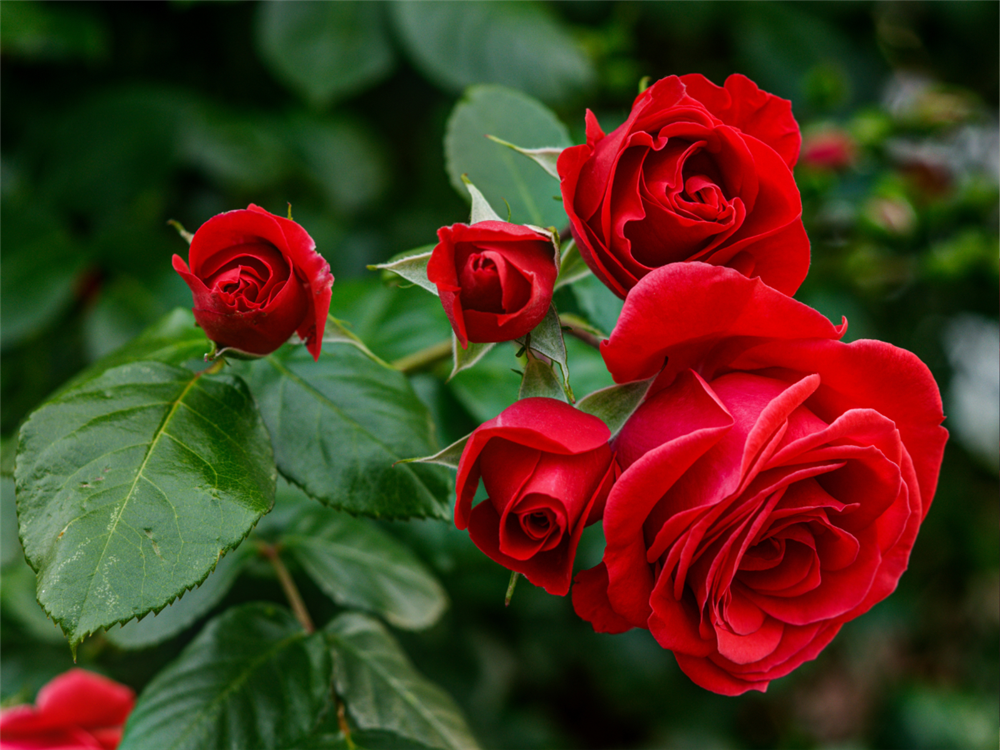
A Symbol Shaped by the World: Today, when we give or receive a red rose, we are participating in a global tradition shaped by ancient myths, poetic longing, political history, and cultural values from many regions.
More Than a Flower
Roses and Valentine’s Day endure because they tap into something universal: the human desire to express love in tangible form. While trends and customs change, the act of giving a rose remains a ritual steeped in history, emotion, and shared cultural memory.
In a world increasingly driven by digital connection, the rose stands as a reminder that love has always found expression through symbols—simple, beautiful, and deeply human.
Ready to Order?
Whether you’re sending love across town or surprising someone special, our Valentine’s Day roses are here to make the magic happen. Browse our full selection online or visit us in store — we’re always happy to help you customize the perfect arrangement.
This Valentine’s Day, let’s go beyond tradition. Let’s create something meaningful.
