
Celebrating with the Language of Flowers
Every year on March 8th, the world comes together to celebrate International Women’s Day—a time to recognise the achievements, strength, and contributions of women everywhere. It’s a day for appreciation, reflection and action. For generations, one of the most heartfelt ways to express admiration and gratitude has been through flowers.
Supporting Women in the Floral Industry
The floral industry itself is powered by countless women—growers, designers, logistics experts, and business owners who bring beauty into everyday life. International Women’s Day is a time to recognize their hard work and dedication.
Many flower farms around the world are led by women or provide essential employment opportunities that support families and communities. By choosing ethically sourced flowers, businesses and customers alike can contribute to fair working conditions and sustainable practices.
The Early Roots of International Women’s Day
International Women’s Day (IWD) began in the early 20th century, during a time of rapid industrialization and social change. Women across Europe and North America were organizing for better working conditions, voting rights, and fair pay.
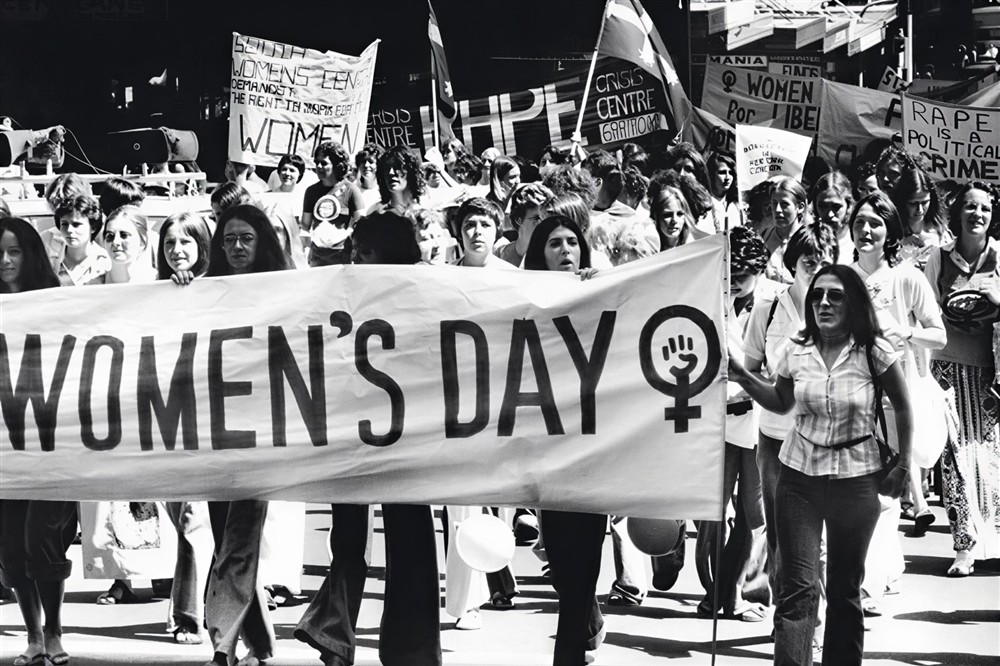
In 1908, thousands of women garment workers marched through the streets of New York City demanding shorter hours, better pay, and the right to vote. Their protest inspired the first National Woman’s Day in the United States the following year.
The idea quickly spread across the Atlantic. In 1910, at the International Socialist Women’s Conference in Copenhagen, German activist Clara Zetkin proposed the creation of an international day dedicated to women’s rights. The proposal was unanimously approved, and in 1911, the first International Women’s Day was celebrated in several European countries, including Austria, Denmark, Germany, and Switzerland.
A Global Movement Takes Root
The meaning of International Women’s Day deepened during World War I. In 1917, women in Petrograd (now Saint Petersburg) went on strike for “bread and peace,” helping spark the Russian Revolution. Their protest took place on March 8th according to the modern calendar, which is why the date is now recognized worldwide.
Decades later, the movement gained official global recognition when the United Nations began celebrating International Women’s Day in 1975. Since then, it has become an annual occasion to honour women’s achievements, raise awareness about inequality, and call for continued progress.
Why Flowers Became a Symbol of the Day
While the origins of International Women’s Day were political, the tradition of giving flowers developed later—particularly in Europe.
In countries like Italy, the mimosa flower became the symbol of the day after World War II. Italian women chose mimosa because it blooms in early March, grows widely, and is affordable for everyone. Over time, the gesture of giving flowers spread across the world to show appreciation, respect, and solidarity.
Today, flowers are one of the most popular gifts for International Women’s Day. They are given not only to partners or mothers, but also to colleagues, friends, teachers, and mentors.
Why Flowers Matter on International Women’s Day
Flowers have long been one of the many ways used to convey emotions that words sometimes can’t. On International Women’s Day, they become a universal gesture of appreciation—given to mothers, colleagues, friends, mentors, and partners.
In many countries, presenting flowers is a deeply rooted tradition on this day. A simple bouquet can say “thank you,” “we appreciate you,” or “you inspire us.”
The Meaning Behind Popular Choices
All Flowers carry different meanings and interpretations and can be used as a powerful representation.
- Mimosa – The official flower of International Women’s Day in many countries, symbolising strength, sensitivity, and resilience.
- Tulips – Representing confidence and new beginnings, tulips are perfect for celebrating progress and empowerment.
- Roses – A classic symbol of appreciation and admiration. Pink roses convey gratitude and respect.
- Lilies – Associated with purity, commitment, and renewal, making them a thoughtful choice for the occasion.
A Small Gesture, A Big Meaning
International Women’s Day is about recognition, equality, and respect. Flowers may seem like a small gesture, but their message is powerful: appreciation, admiration, and solidarity.
This March 8th, let flowers help you say “thank you” to the women who make a difference every day.
